October 26, 2026
For new homeowners, the idea of installing a generator often comes with numerous misconceptions. These myths can deter individuals from investing in a generator, even when it may provide substantial benefits. This article aims to debunk the top myths surrounding generator installation, emphasizing the advantages for new homeowners.
Generators offer a valuable backup power solution, ensuring homes remain functional during outages. However, due to misinformation, many individuals have a limited understanding of the true potential of generators. By addressing these myths, homeowners can better appreciate the significance of having a reliable power source.
The residential generator market is expanding, with the U.S. market projected to reach $10.1 billion by 2034. This growth is driven by increasing demand for dependable backup power solutions. As we break down these myths, homeowners can gain a clearer understanding of why more people are turning to generators for energy security.
Myth 1: Generators are Only for Large Homes
Understanding Generator Size
A common misconception is that generators are reserved for large homes with significant energy requirements. In truth, a generator’s size is dictated not by the size of a home, but by its energy consumption needs. Therefore, even smaller homes or apartments can benefit from an appropriately sized generator.
Generator capacity is determined by total wattage of the home’s essential appliances and systems that need power during an outage. By understanding this, homeowners can choose a generator that adequately meets their needs without unnecessary over-investment. It's crucial to assess what appliances and systems are critical for operation during outages, such as refrigerators, lighting, and heating or cooling systems.
The market offers a wide range of generator sizes and capacities, designed to accommodate the diversity in home energy needs. Even smaller properties can have efficient generator installations that provide essential power backup without excessive costs. Modular generators, for instance, can adapt quickly to varying energy demands, making them viable options for both compact and expansive living spaces.
Identifying Your Power Needs
Before purchasing a generator, homeowners should take the time to evaluate their specific power requirements. This involves identifying which appliances and functions are priority during power outages. Calculating the starting and running wattages of these appliances provides a realistic picture of electrical demand.
A thorough assessment can ensure the generator chosen delivers adequate power without exceeding budgetary constraints. Smaller residences often need less power, making portable or compact models a suitable choice. This careful planning prevents unnecessary expenditure on oversized generators, which may also require more costly maintenance.
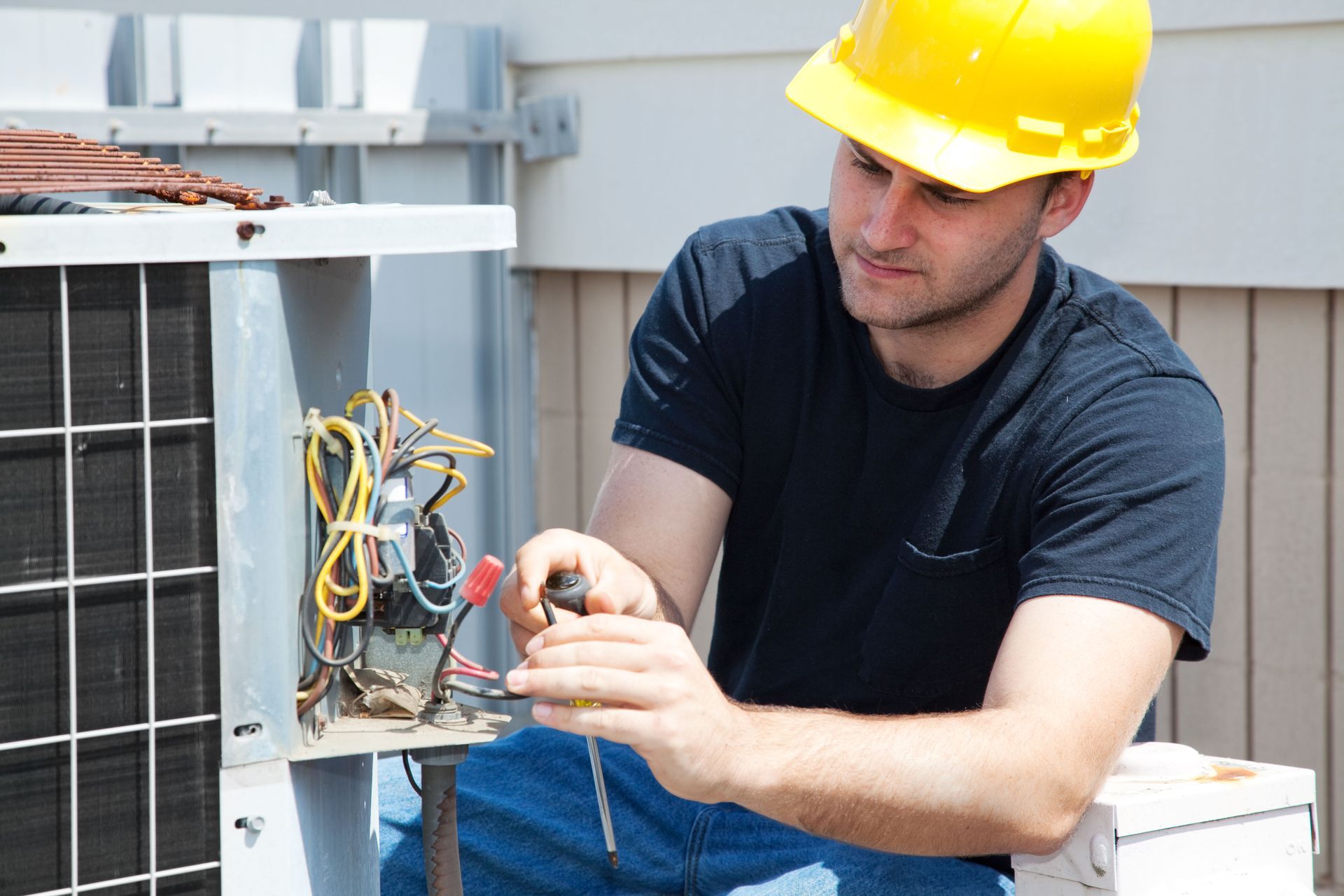
Additionally, consulting with a professional can provide insights into potential power needs not initially considered. Industry experts can advise on the most efficient models tailored to individual energy demands. This comprehensive approach ensures a sustainable power supply solution meets the unique needs of each homeowner.
Generators for Small Homes
Small homes and apartments, contrary to popular belief, are well-suited to benefit from generator installations. Many compact and cost-efficient models are available in the market to meet the needs of smaller residential setups. They offer just the right amount of power to keep crucial systems up and running during outages.
These generators are perfect for powering basics like kitchen appliances, heating, and limited lighting. Portable generators, in particular, have gained popularity due to their mobility and ease of storage. Additionally, these generators can be a practical option for renters who might require temporary power solutions without significant infrastructure changes.
Smaller generators also tend to have lower operating costs, making them more affordable for upkeep and fuel consumption. Despite their smaller capacity, when properly matched with the homeowner’s requirements, these generators provide significant peace of mind. Their low maintenance demands further reduce long-term operational costs, making them ideal for smaller homes.
Scalability of Generator Systems
Modern generator systems offer modular options that increase scalability, making them adaptable to different home sizes. This flexibility allows homeowners to expand their power solutions as their needs change over time. Modular generators can grow with the home — a significant benefit for those who anticipate future expansions or increased energy needs.
By having a scalable generator system, homeowners can initially start with a smaller setup and add more modules as necessary. Such systems offer the advantage of incremental investment, aligned with a household’s evolving energy consumption patterns. They provide sustainable and long-term power solutions without necessitating complete unit replacement.
The adaptability of these systems also means that they can be customized based on specific requirements. Whether a home undergoes renovations or adds new appliances, modular systems can efficiently accommodate these changes. By adjusting to varying power needs, such scalable solutions ensure that homeowners receive maximum value and utility from their generator systems.
Examples of Small Homes with Generators
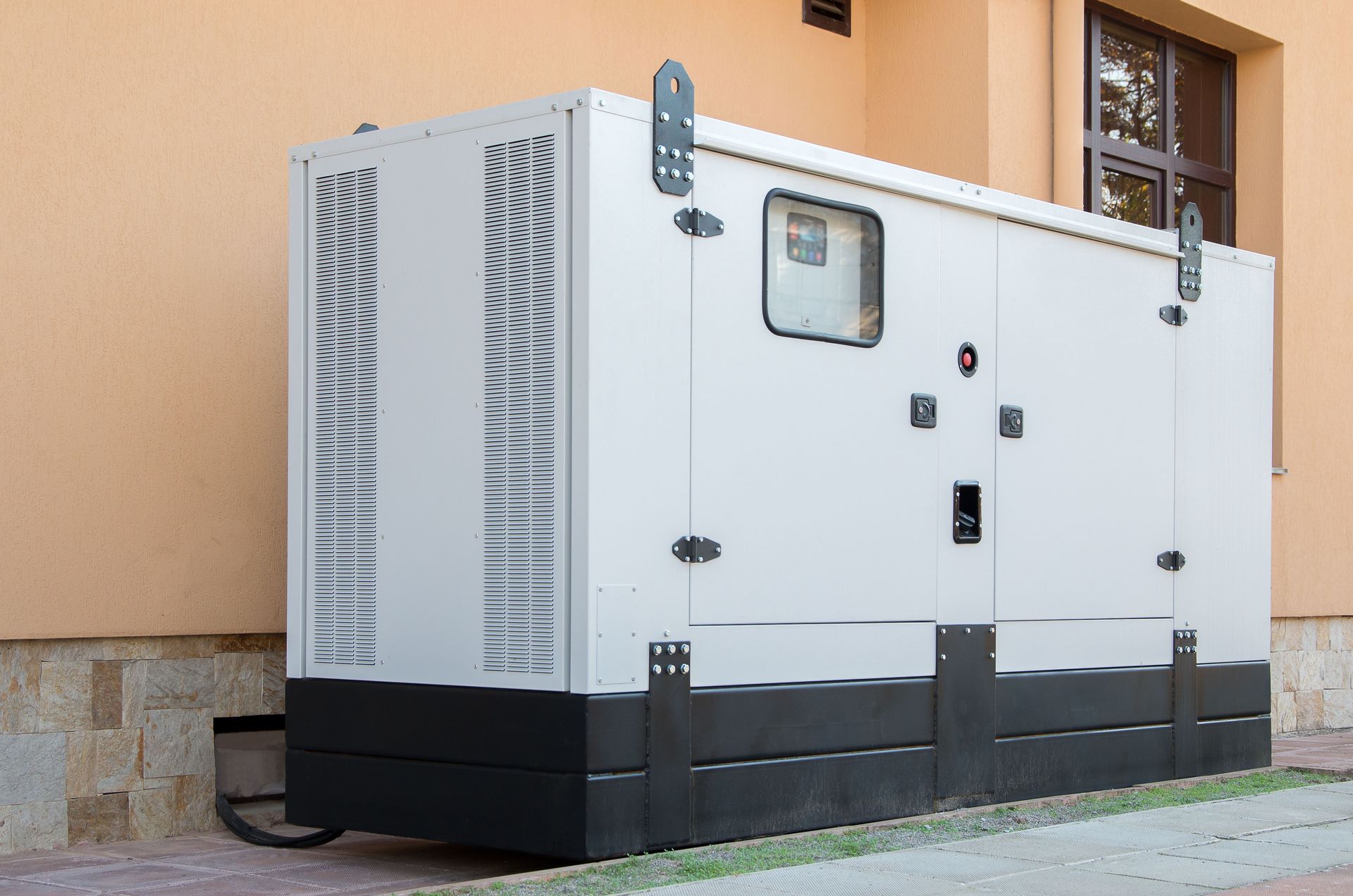
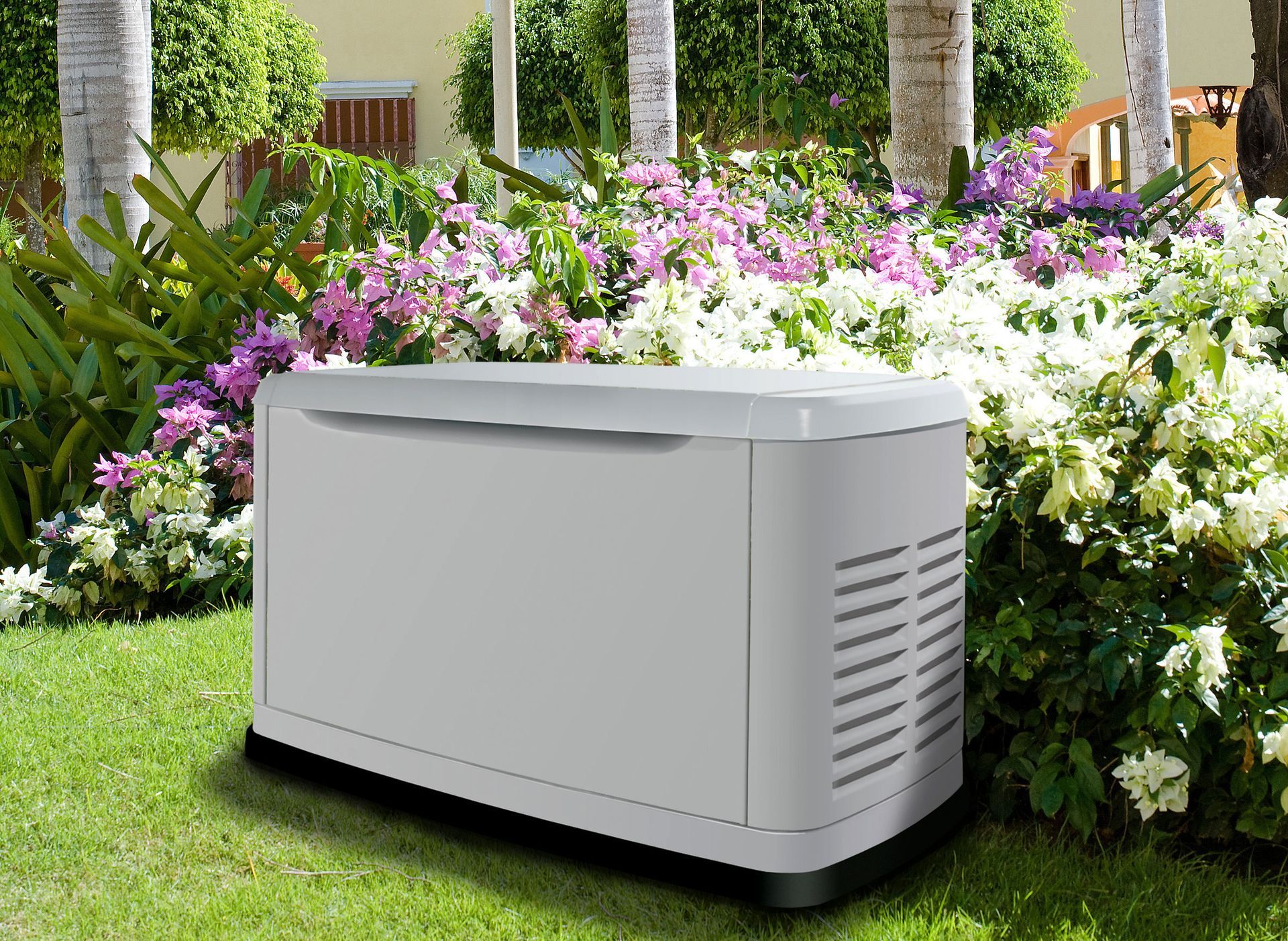
There are numerous examples of small homes effectively integrating generator systems to enhance resilience during power outages. For instance, the installation of compact standby generators in urban apartments has provided a reliable backup power source for critical systems. In suburban settings, portable generators have offered a flexible and efficient power solution for single-family homes.
One notable case is an off-grid tiny house community that successfully employs small-scale generators for renewable energy storage. This setup ensures essential power supply continuity in a region prone to frequent outages, significantly improving home resilience. Another example is a mobile home park where generator installations enable residents to maintain essential functions during disruptions.
These examples highlight the versatility and adaptability of generator systems across various small home environments. They demonstrate not only the feasibility of such installations but also the enhanced comfort and security they bring to homeowners. By choosing the right generator, even modest residential properties can achieve substantial energy independence and reliability.
Myth 2: Installation is Too Expensive
Breaking Down Installation Costs
Another prevailing myth is that generator installation is prohibitively expensive, deterring potential buyers from considering this option. By breaking down the costs involved, homeowners can gain a better understanding of where their money goes. Installation costs typically include the generator unit itself, contractor fees, permits, and initial setup expenses.
Beyond the upfront purchase, considerations such as the complexity of installation and existing infrastructure also influence costs. While spending might seem significant initially, this investment offers security and reliability in times of need. Additionally, modern generators are designed for efficiency, minimizing operational costs over time.
Routine maintenance and fuel costs are ongoing expenses that need to be factored into the overall budget. Many homeowners find that these costs pay off long-term, especially during protracted outages. Understanding the detailed breakdown enables homeowners to make informed decisions, ensuring investments align with expected energy needs and budget constraints.
Cost vs. Long-term Savings
When evaluating generator installation, it is important to consider the long-term savings that accompany these systems. During power outages, generators can prevent costly consequences such as food spoilage or damage to electronic equipment. The relative minimal cost of running a generator during emergencies contrasts with high repair or replacement expenses.
Generators also offer potential savings on home insurance as they reduce the likelihood of claims filed due to outage-related incidents. Insurance providers often recognize generators as a precautionary measure, potentially leading to reduced premiums. This advantage can compound over time, offsetting initial installation expenses significantly.
Furthermore, the peace of mind offered by a reliable power source carries immeasurable value. In emergencies, having access to necessary systems—such as heating and refrigeration—can be crucial. Homeowners frequently find that their generator installations mitigate both tangible and intangible losses, enhancing the quality of life during adverse conditions. According to Transparency Market Research, the U.S. residential generator market is projected to reach $10.1 billion by 2034, driven by increased demand for backup power solutions. Be sure to reach out to Brittania Electric today to learn more about our professional generator installations!