November 25, 2026
Preparing for unexpected power outages is an important part of maintaining a comfortable, safe, and functional home or business. Whether severe weather, equipment failures, or problems with the electrical grid interrupt service, having a dependable backup generator can make a significant difference. However, getting the most out of a generator starts well before the equipment is switched on for the first time. Careful planning, choosing the right equipment, and working with qualified professionals can help make the installation process considerably less stressful.
The demand for reliable backup power continues to grow as households and businesses look for ways to minimize disruptions. According to Trystar, power outages in the United States have increased by 78% over the past decade, with extreme weather, cyber threats, and rising energy demand contributing to the growing concerns surrounding grid reliability. This makes preparation especially valuable heading into seasons when severe weather is more likely.
Fortunately, local generator installations do not have to involve unnecessary complications. Understanding the available equipment, installation requirements, and ongoing maintenance responsibilities can help property owners make informed decisions and enjoy greater peace of mind.
How Can You Choose the Right Generator for Your Local Needs?
Selecting an appropriate generator is one of the most important decisions in the installation process. Generators come in several sizes and configurations, and the right option depends on how much electricity a property needs during an outage. Before purchasing equipment, consider which appliances, systems, and essential devices must remain operational when utility power becomes unavailable.
For homeowners, essential electrical loads might include refrigerators, freezers, heating systems, sump pumps, lighting, and certain kitchen appliances. Businesses may have additional requirements involving computers, security systems, refrigeration equipment, or specialized machinery. Making a list of these priorities provides a useful starting point for determining the generator capacity needed.
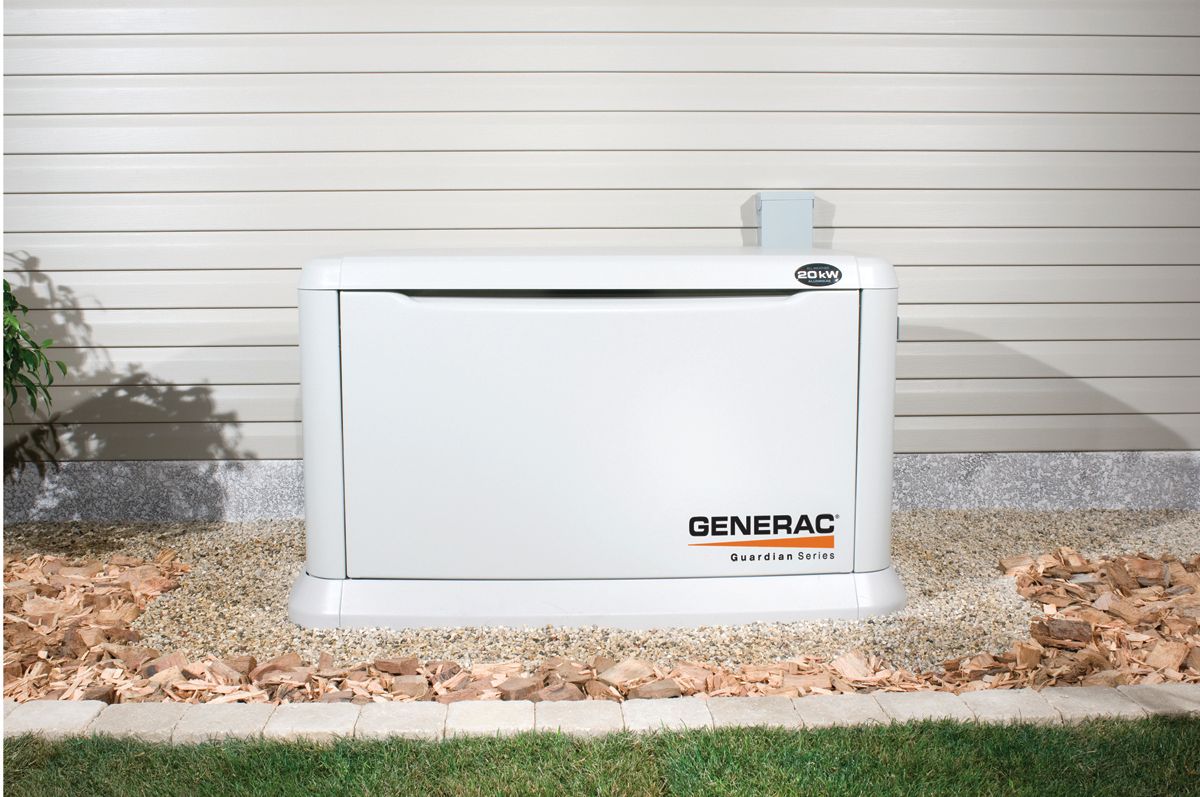
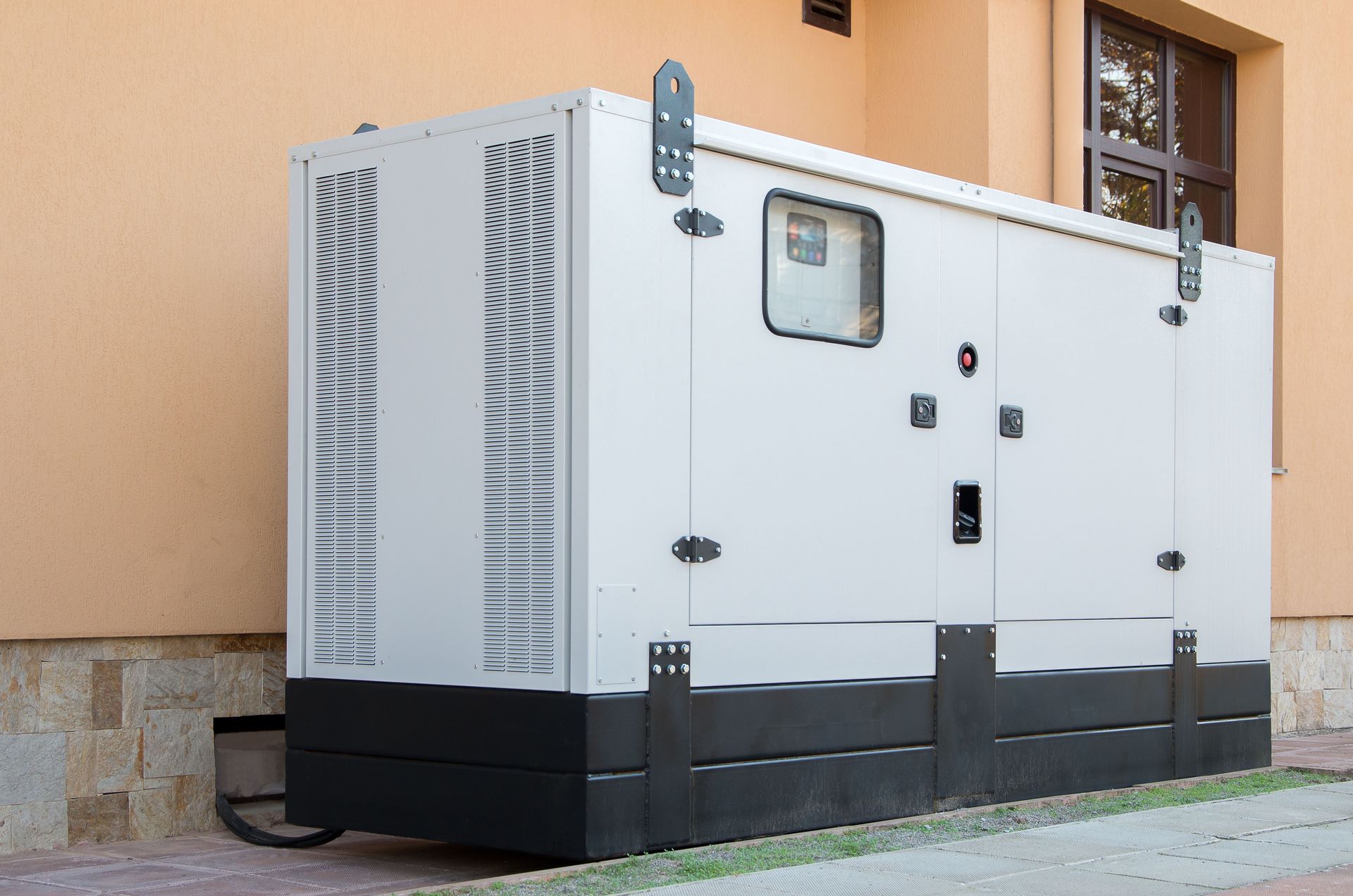
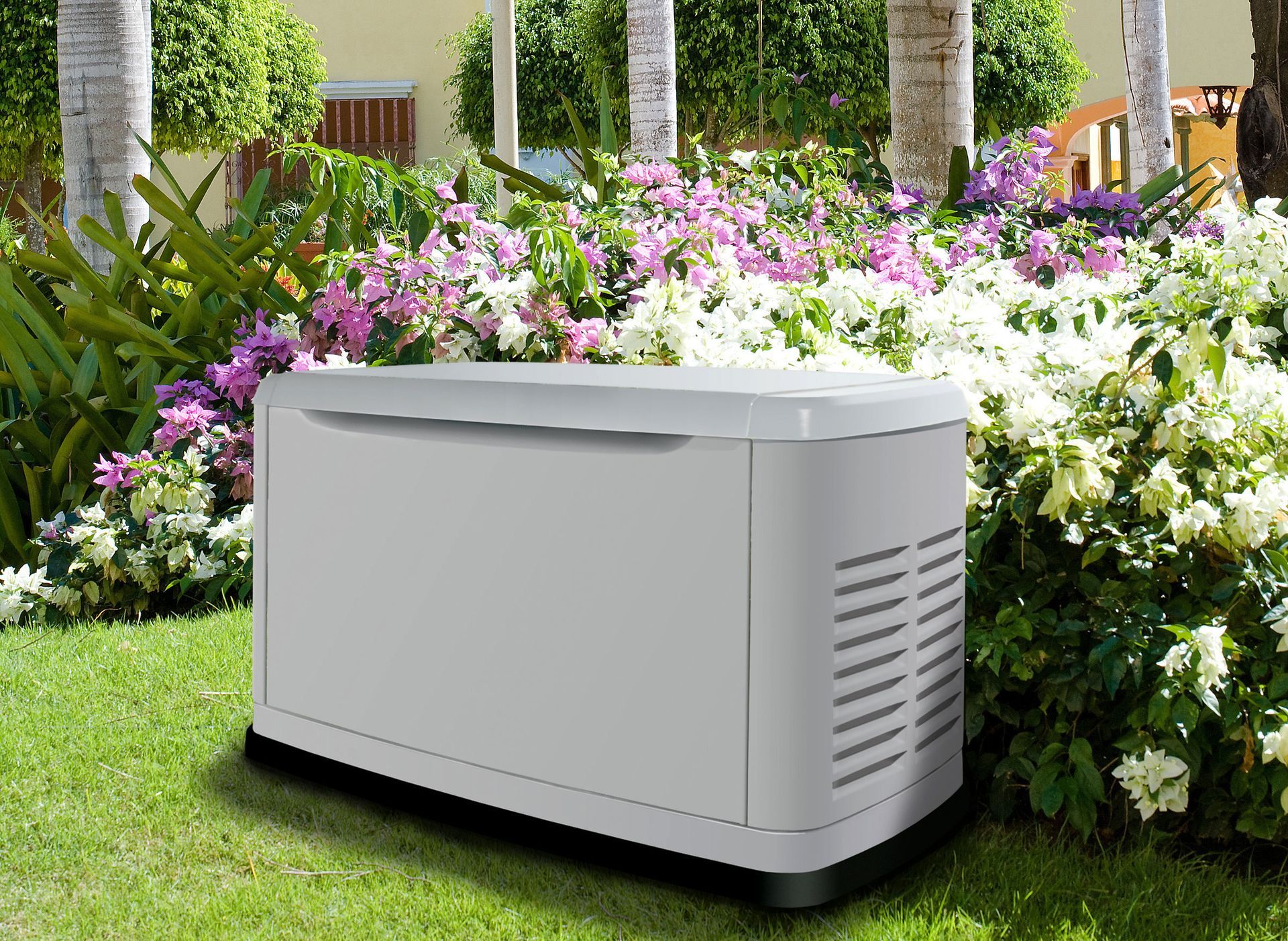
Standby generators are permanently installed outside a property and typically connect to an automatic transfer switch. When utility power fails, the system can detect the interruption and activate without requiring someone to start the equipment manually. Portable generators offer a different approach, providing temporary power that can be useful for smaller electrical demands or occasional applications.
Fuel availability is another important consideration. Natural gas generators can connect to an existing gas supply, while propane and diesel models have different storage and refueling requirements. Each option comes with considerations involving operating costs, maintenance, and fuel accessibility.
What Are the Key Steps in the Installation Process?
A successful generator installation begins with an assessment of the property. Before equipment is selected or placed, an installer should evaluate electrical demand, available space, fuel connections, and the existing electrical service. This preliminary work helps identify potential complications before they interfere with the installation schedule.
Once the appropriate equipment has been selected, the next step involves determining where the generator will be positioned. Standby units require a stable, level surface and adequate clearance from buildings, windows, doors, and ventilation openings. Manufacturers provide specific placement requirements that must be followed to support safe operation and proper airflow.
Electrical integration is another essential part of the process. A properly installed transfer switch allows the generator to supply designated circuits or an entire electrical system while preventing dangerous backfeeding into utility lines. This component also helps separate generator power from the utility supply during an outage.
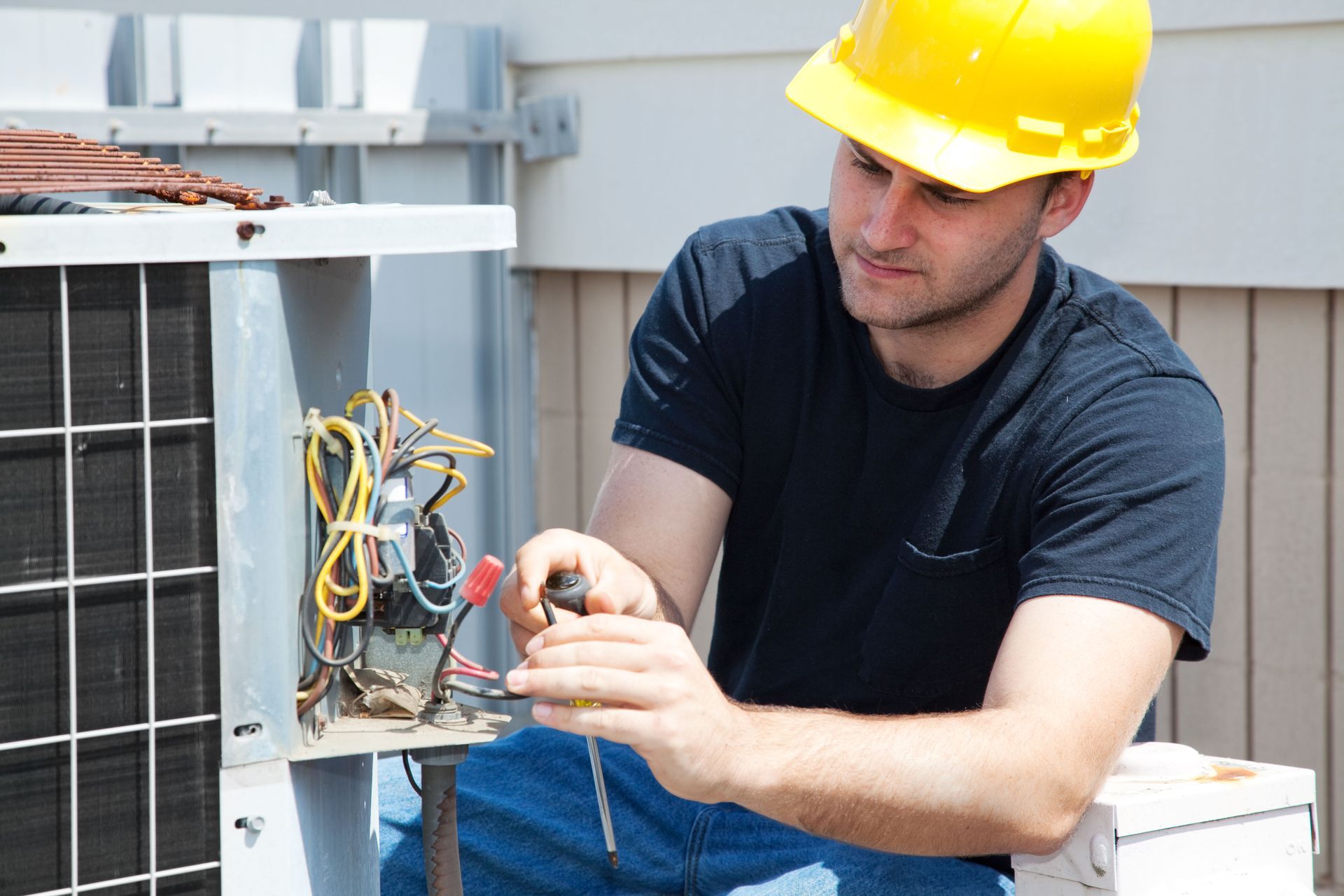
Fuel connections must also be completed according to the generator manufacturer's specifications and applicable safety standards. Depending on the equipment, this may involve coordinating natural gas piping, propane storage, or diesel fuel arrangements. Qualified professionals should handle these connections rather than relying on improvised solutions.
Can Local Regulations Affect Your Generator Installation?
Yes. Building codes, electrical requirements, zoning restrictions, and permitting procedures can all influence how and where a generator may be installed. These requirements vary depending on the municipality, property type, generator capacity, and fuel source.
Electrical installations generally need to comply with applicable electrical codes, while fuel connections may fall under additional plumbing or mechanical requirements. Some communities also establish rules concerning generator placement, property boundaries, noise levels, and distances from neighboring structures. Homeowners associations may have separate guidelines governing outdoor equipment and property modifications.
Permits are particularly important because they help ensure that installations receive the appropriate oversight. Depending on the project, property owners may need electrical, building, or fuel-related permits before work begins. Inspections may also be required after installation to verify that the equipment and connections meet applicable standards.
These considerations are especially important when arranging local generator installations in established neighborhoods or on properties with limited outdoor space. A location that appears convenient may not satisfy setback requirements or manufacturer clearance specifications.
How Do You Maintain Your Generator Post-Installation?
Even a professionally installed generator needs regular attention to remain dependable. Routine maintenance helps prevent unexpected equipment failures, extends the generator's service life, and ensures the system is ready when an outage occurs. Establishing a maintenance schedule immediately after installation is one of the easiest ways to protect the investment.
Start by following the manufacturer's recommended service intervals. Depending on the model, routine maintenance may include changing engine oil, replacing air and fuel filters, inspecting spark plugs, and checking battery connections. These components can deteriorate over time, particularly when equipment sits unused for extended periods.
Standby generators also benefit from periodic exercise cycles. Many models include automatic testing features that briefly run the engine at scheduled intervals. This helps circulate fluids, identify certain operational problems, and keep the equipment in working condition. Property owners should understand how these cycles work and whether their generator requires additional testing.
Outdoor inspections are equally important. Check the surrounding area for leaves, branches, accumulated snow, or other debris that could obstruct ventilation. Look for visible damage, corrosion, fuel leaks, and loose connections. Any unusual noises, warning indicators, or changes in performance should be investigated by a qualified technician.
What Are the Costs Involved in Local Generator Installations?
The cost of installing a generator depends on several factors, including equipment size, fuel type, electrical requirements, property conditions, and labor. Consequently, two properties purchasing similar generators may receive significantly different installation estimates.
The generator itself is typically a major portion of the overall investment. Smaller systems designed to power essential household circuits generally cost less than larger standby generators capable of supplying electricity throughout an entire home or commercial property. Additional features, including automatic transfer switches, remote monitoring, and weather-resistant enclosures, can also influence equipment pricing.
Installation expenses depend heavily on the amount of preparation required. Properties with existing natural gas connections and accessible electrical panels may require less additional work than those needing new fuel lines, electrical upgrades, concrete pads, or extensive trenching. Permit fees and required inspections should also be considered when calculating the total project cost.
When comparing estimates for
local generator installations, look beyond the initial purchase price. Ask whether the proposal includes equipment, labor, transfer switches, fuel connections, permits, testing, and an operational walkthrough. Understanding what is included makes it easier to compare contractors and avoid unexpected expenses.
It is also worth considering long-term ownership costs. Fuel consumption, routine servicing, replacement batteries, and occasional repairs all contribute to the expense of maintaining a generator. Choosing equipment based solely on its lowest upfront price may not provide the best overall value.
Preparing for an unexpected outage becomes much easier when generator installation is approached with a little planning. Choosing appropriately sized equipment, understanding local regulations, coordinating professional installation, and establishing a consistent maintenance schedule all contribute to a dependable backup power system. If you need a generator, contact Brittania Electric today!